03/03/2017
Many Fentanyl and Heroin Overdose Survivors Suffering Permanent Brain Damage


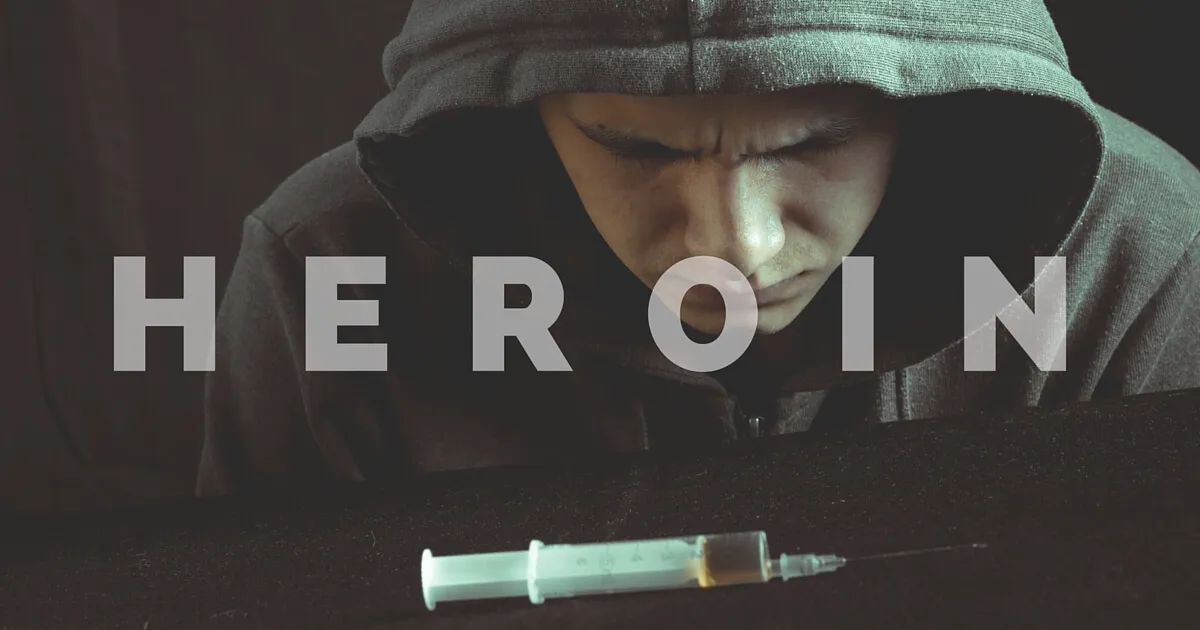
Heroin has often been considered a “poor man’s” drug. Back in the 1960s and 70s, heroin users were mostly from poor, inner city areas. The majority of users were male, and many were in a minority group. Heroin was also a “dirty drug” because it was injected with needles. This put users at risk for infection. It also left behind visible track marks.
Over the last decade or so, heroin has moved into middle-class suburbs and rural communities. This has made the issue of heroin abuse more widespread. It has also changed the dynamic of the users, which means that heroin is no longer the dirty, poor man’s drug that it once was.
Let’s explore further.
Heroin has a “cleaner” image today than in the past. Years ago, heroin was injected with needles. Today, heroin is available in a pure, white powder form and can be snorted. This is more appealing for some users as they don’t have to deal with the stigma of needle sharing or track marks.
Of course, there is no “safe” way to use heroin. Whether it’s snorted, smoked or injected, it’s all the same. Also, the pure, white powder is not necessarily more pure. It can also be cut with starches, sugars or powdered milk.
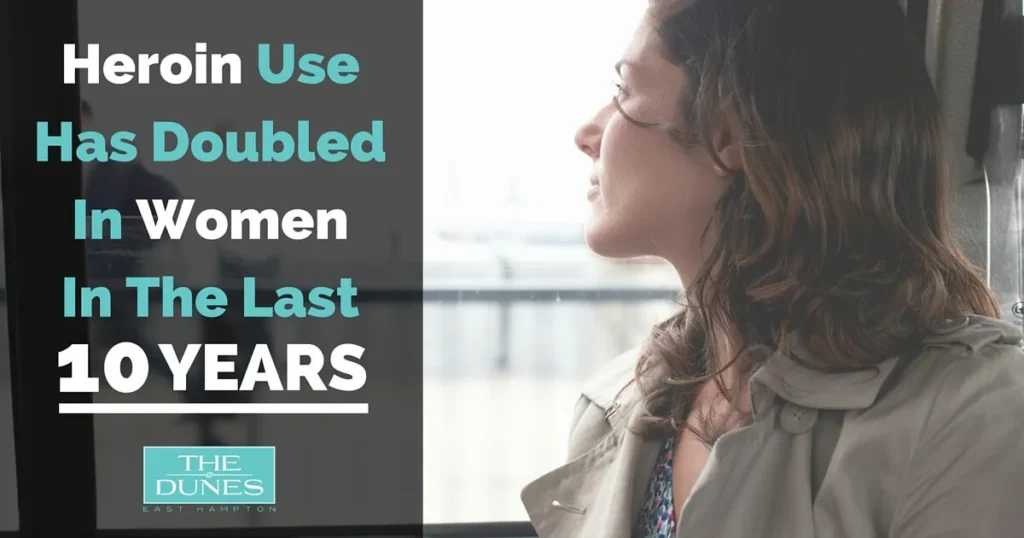
According to the CDC, the rate of heroin use among women has more than doubled in the past 10 years. Also, the same number of women as men seek treatment for heroin addiction, a trend we have seen since 2010.
Heroin is now a bigger problem among young, white individuals. One recent study analyzed 2,800 men and women throughout the U.S. who had sought treatment for heroin addiction. Researchers found that white individuals made up nearly 90 percent of people who started abusing heroin in the last 10 years.
Much of what is responsible for the “new” heroin user is the prescription drug problem. Many people who are addicted to heroin today were once addicted to prescription drugs.
Starting in the 1990s, more people in affluent communities started using drugs like OxyContin, Vicodin and Percocet. In 2010, states started cracking down on pill mills and the overprescribing of these drugs. Drug manufacturers also introduced a new formula of OxyContin that made it harder for addicts to abuse the drug.
All of these changes have made prescription drugs harder and more expensive to obtain. Some users progressed to the cheaper and more available drug heroin. Sadly, this is what has changed heroin from the “poor man’s drug” to “America’s drug.”
If you or someone you love has a problem with heroin, do not be embarrassed. This drug can affect anyone regardless of race, socioeconomic status or educational background. Get the help you need at The Dunes East Hampton, a luxury facility with exceptional holistic care.